Effective Interviewing Techniques for HR Managers in the Philippines
Introduction
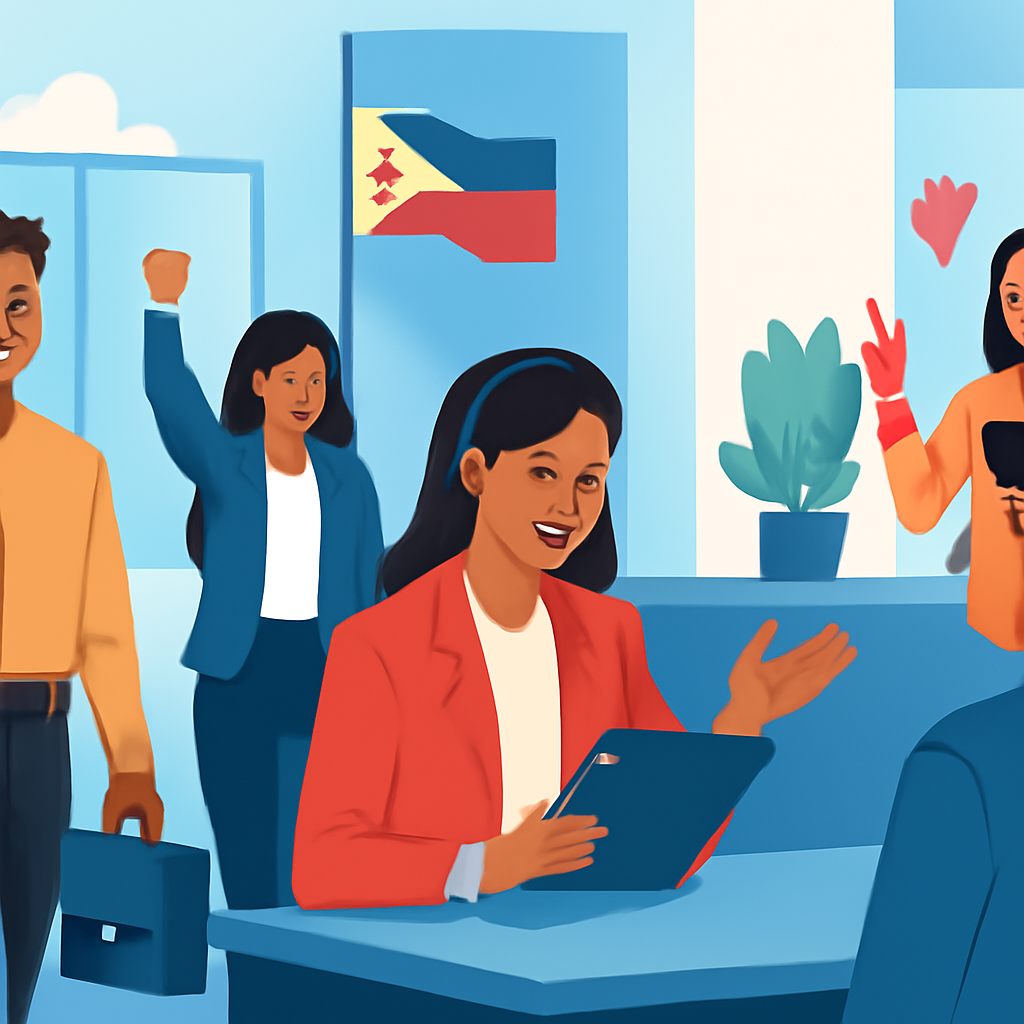
Imagine this: You're an HR manager in a bustling Metro Manila office, tasked with finding the perfect candidate for a crucial position. You've sifted through countless resumes and scheduled interviews, but when it comes to the actual conversation, you find yourself asking the same old questions, yielding the same old responses. Sound familiar?
Effective interviewing is not just about asking the right questions; it's about creating an engaging experience that allows both you and the candidate to shine. In the Philippine job market, where talent is abundant but competition is fierce, honing your interviewing techniques can be the key to discovering the next gem for your team. Let’s explore practical strategies that can transform your interviewing process into a more dynamic and effective experience.
Section 1: The Current Landscape of Interviews in the Philippines
Understanding the Challenges
As HR professionals, we know that the interviewing landscape in the Philippines has evolved significantly. Factors such as the rise of remote work, the influence of social media, and a shift in candidate expectations have all contributed to the complexity of interviewing today. For instance, candidates often come prepared with a wealth of information about your company, so it’s essential to go beyond the basics.
Moreover, with the demand for skilled workers in sectors like BPO, IT, and healthcare, the competition to attract top talent is intense. This means your interview process must not only assess skills and qualifications but also demonstrate why your organization is the best choice for candidates.
Common Pitfalls in Interviews
Here are some of the frequent pitfalls HR managers encounter during interviews:
Sticking to Scripted Questions: Relying solely on a predetermined list can lead to missed opportunities for deeper discussions.
Not Engaging Candidates: Failing to create an inviting atmosphere can make candidates nervous and less likely to showcase their true potential.
Ignoring Cultural Fit: Focusing too much on skills and qualifications can overlook the importance of aligning with your company’s values and culture.
Section 2: Techniques to Enhance Your Interviewing Skills
Step-by-Step Guide to Conducting Effective Interviews
Plan Your Interview Structure: Rather than following a rigid script, outline key areas you want to cover. This should include:
Opening questions to break the ice.
Technical or skill-based questions relevant to the role.
Behavioral questions that explore past experiences.
Prepare Engaging Questions: Instead of typical behavioral questions like "Tell me about a time you handled a challenge," consider asking:
"How do you approach a project when you encounter unexpected issues?"
"Describe a situation where you had to collaborate with diverse team members."
Create a Welcoming Atmosphere: Begin the interview with light conversation. A simple greeting like "Kumusta? How was your journey here?" can ease nerves and foster a friendly environment.
Use the STAR Method: Encourage candidates to answer questions using the STAR method (Situation, Task, Action, Result) to provide structured responses that reveal their problem-solving skills.
Listen Actively: Practice active listening by maintaining eye contact, nodding, and responding to candidates' points. This shows that you value their input.
Incorporate Real-Life Scenarios: Contextualize questions by relating them to real scenarios your company faces. For example, "If you were tasked with improving customer service for our BPO division, how would you approach it?"
Common Mistakes to Avoid
Overloading with Questions: Avoid asking too many questions in a short time. This can overwhelm candidates and prevent them from providing thoughtful answers.
Neglecting Feedback: Always allow time for candidates to ask questions. This not only helps you gauge their interest but also provides insights into their priorities and concerns.
Section 3: Advanced Interviewing Insights
Leveraging Technology in Interviews
In today's digital age, technology can significantly enhance your interviewing process. Here are some advanced techniques to consider:
Video Interviews: Utilize platforms such as Zoom or Google Meet for remote candidates. This not only saves time but also allows you to evaluate candidates from various regions, including Cebu and Davao.
Assessment Tools: Incorporate skills assessments or personality tests to complement your interview process. Platforms that offer these tools can provide valuable data on a candidate's potential fit.
Case Studies: Successful Interviewing Practices
The Philippine BPO Industry: Many successful BPO companies in the Philippines incorporate gamification in their hiring process. This approach not only assesses candidates' skills but also makes the process enjoyable, attracting younger talent.
Tech Startups: A well-known tech startup in Metro Manila focuses on cultural fit by incorporating team members in the interview process. This collaborative approach allows candidates to connect with potential teammates and get a feel for the company culture.
Conclusion
Ready to elevate your interviewing game? By implementing these effective techniques, you can enhance your interviewing process, ensuring that you attract and secure the best talent in the Philippine job market. Remember, the goal of an interview is not just to find a suitable candidate but to create a positive experience for both parties.
Start by reviewing your current practices, and consider how you can incorporate these strategies into your next interviews. The effort you put in today will pay off in building a stronger, more cohesive team tomorrow. Happy interviewing!

Introduction
Imagine this: You're an HR manager in a bustling Metro Manila office, tasked with finding the perfect candidate for a crucial position. You've sifted through countless resumes and scheduled interviews, but when it comes to the actual conversation, you find yourself asking the same old questions, yielding the same old responses. Sound familiar?
Effective interviewing is not just about asking the right questions; it's about creating an engaging experience that allows both you and the candidate to shine. In the Philippine job market, where talent is abundant but competition is fierce, honing your interviewing techniques can be the key to discovering the next gem for your team. Let’s explore practical strategies that can transform your interviewing process into a more dynamic and effective experience.
Section 1: The Current Landscape of Interviews in the Philippines
Understanding the Challenges
As HR professionals, we know that the interviewing landscape in the Philippines has evolved significantly. Factors such as the rise of remote work, the influence of social media, and a shift in candidate expectations have all contributed to the complexity of interviewing today. For instance, candidates often come prepared with a wealth of information about your company, so it’s essential to go beyond the basics.
Moreover, with the demand for skilled workers in sectors like BPO, IT, and healthcare, the competition to attract top talent is intense. This means your interview process must not only assess skills and qualifications but also demonstrate why your organization is the best choice for candidates.
Common Pitfalls in Interviews
Here are some of the frequent pitfalls HR managers encounter during interviews:
Section 2: Techniques to Enhance Your Interviewing Skills
Step-by-Step Guide to Conducting Effective Interviews
Common Mistakes to Avoid
Section 3: Advanced Interviewing Insights
Leveraging Technology in Interviews
In today's digital age, technology can significantly enhance your interviewing process. Here are some advanced techniques to consider:
Case Studies: Successful Interviewing Practices
Conclusion
Ready to elevate your interviewing game? By implementing these effective techniques, you can enhance your interviewing process, ensuring that you attract and secure the best talent in the Philippine job market. Remember, the goal of an interview is not just to find a suitable candidate but to create a positive experience for both parties.
Start by reviewing your current practices, and consider how you can incorporate these strategies into your next interviews. The effort you put in today will pay off in building a stronger, more cohesive team tomorrow. Happy interviewing!